Zuleika Murat

Corsi

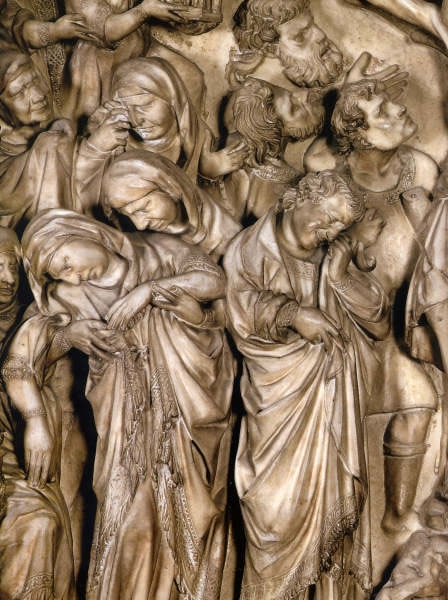
The module consists of an introduction to the history of medieval art in Italy, focusing on selected case studies which will be investigated with a multidisciplinary approach and with specific regard to the visual arts.
At the end of the module, students will have acquired knowledge and skills related to:
1- Approaches and methods for the study of medieval art
2- Matters related to patrons, artists, and audiences of art in the Italian Middle Ages
3- The vocabulary of the arts: style, iconography, materials, techniques
4- Interactions between texts and images
5- Impact of the arts on medieval society and culture

Categoria A.A. 2025 - 2026 / Corsi di laurea / ITALIAN MEDIEVAL AND RENAISSANCE STUDIES
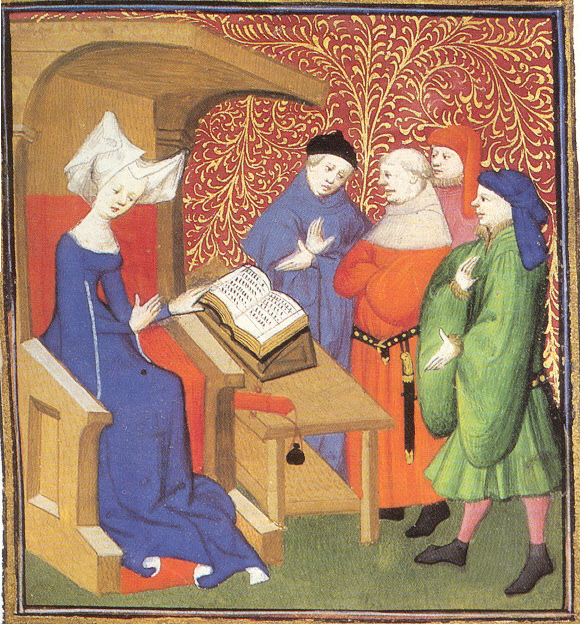
The course aims to tackle the study of the European Middle Ages taking concepts of visual and material culture as its starting point, and as means of investigating complex dynamics related to different social groups and environments.
Upon successful completion of the module, students will:
1- Be able to analyse, describe and discuss a variety of visual and material forms and media from different cultural and social contexts of medieval Europe;
2- Have acquired knowledge on how and why contemporary social, anthropological, and ethnographic theories related to visual and material culture are relevant to the study of medieval Europe, its history and art;
3- Be able to recognise, examine, and discuss the various meanings that medieval artworks could carry, as objects that conveyed contents and significance through their visual and material qualities;
4- Have achieved awareness, understanding, and command of concepts of perception, response, vision, visuality, and materiality as they were grasped in the Middle Ages, and have developed the ability to employ them in the study on medieval artworks.

Categoria A.A. 2025 - 2026 / Corsi di laurea magistrale / STORIA DELL'ARTE
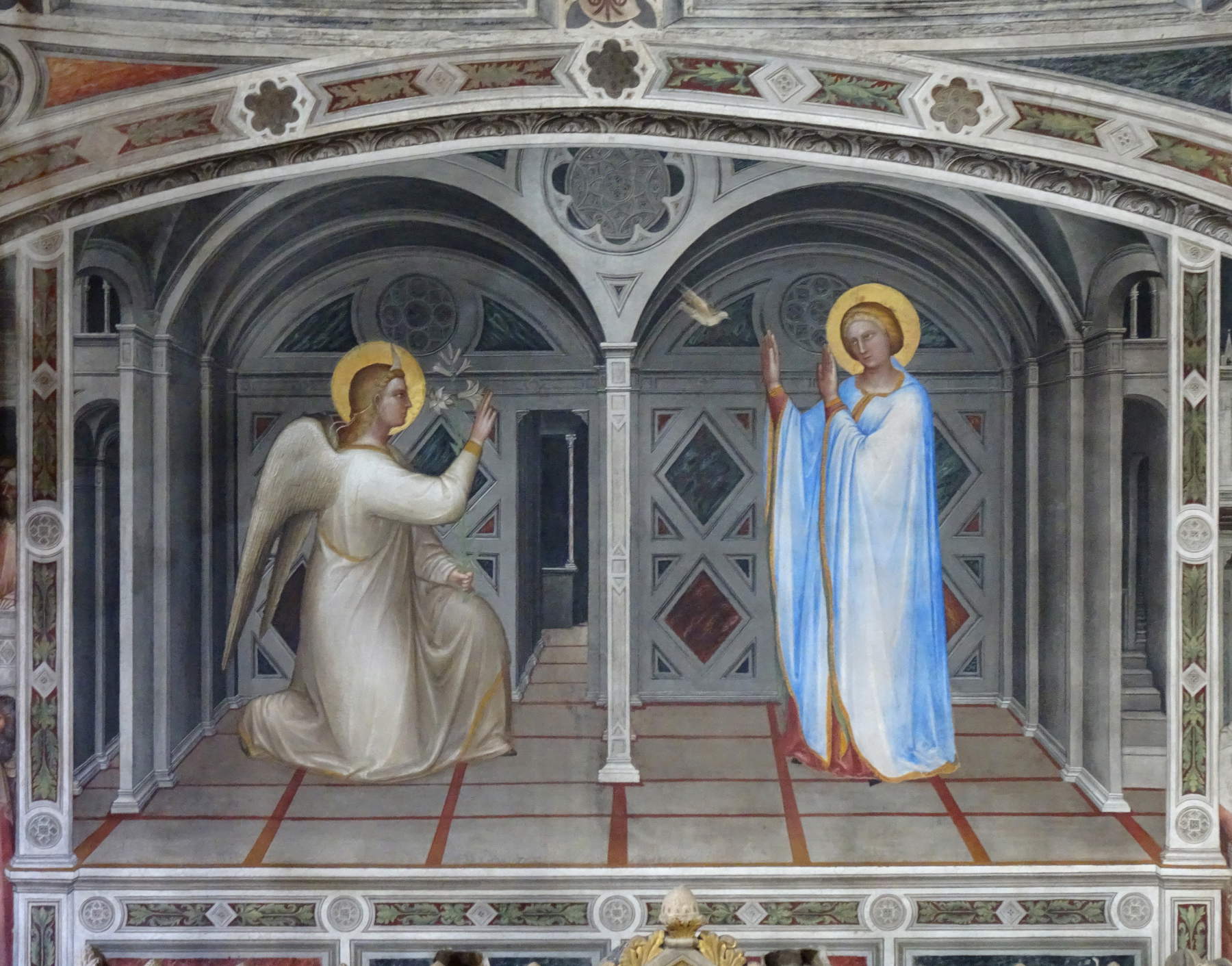
This course explores what objects and artworks reveal about the spiritual, social, cultural, and intellectual history of medieval Europe, while also aiming at understanding how they were experienced by medieval beholders. It will explore the significance of several categories of material artifacts, focusing on how they generated meanings by virtue of their visual and material qualities. In order to do that, it will address medieval theories of vision, visuality and materiality, and in addition it will scrutinize the perception, reception and use of images in various social environments.
The course is structured in two parts: in the first one, the interpretative framework will be established, examined, and discussed, and the key concepts will be explored; in the second part, specific case studies will be tackled, related to the visual and material culture of a variety of social groups and environments in medieval Europe. Students will thus develop robust methodological skills in the specific field of analysis, which will then be tested and critically applied through the study of artefacts, contexts, and beholders.

Specifically, the course will be articulate as follows:

FIRST PART
- Interpretive framework: concepts of visual and material culture
- Visual Culture Studies: subjects, methods, and tools of analysis
- Material Culture Studies: subjects, methods, and tools of analysis
- Medieval theories of vision, visuality and materiality
- Theories of reception and response, the role of the senses in the experience of art
- Performative and ritual uses and meanings of artworks, objects, spaces

SECOND PART
Social environments and groups in medieval Europe, tackled through their visual and material culture:
- The Papacy: Rome and Avignone
- Women: saints, nuns, queens
- The Mendicant orders: the Friar Minors and the Poor Clares
- Pilgrims, between Europe and the Middle East
- The courts and the cities
- The minorities: migrants, disabled, the poor
- Children: education and devotion

Categoria A.A. 2023 - 2024 / Corsi di laurea magistrale / STORIA DELL'ARTE