PhD Program - Curricula
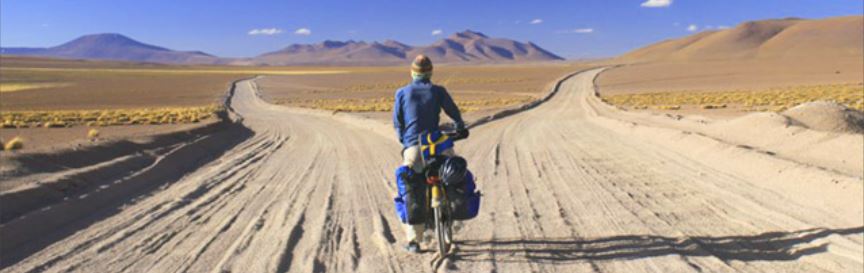
The programme is divided into two subprogrammes or "Curricula" / Il Corso propone due Curricoli
- Scienze Pedagogiche (in italiano)
- Research on Inclusion, Well-being and Sustainability in Education (in English)
The final degree is general and the same for both programmes / Il titolo finale conseguito è unico.
Offerta formativa del curricolo in Scienze pedagogiche
L'attività formativa seminariale ed il contenuto di alcuni moduli possono variare di anno in anno. Si prega di consultare il CALENDARIO .
Introduzione - ITA
Il progetto formativo del dottorato SPEF è profondamente radicato nell’area pedagogica e raccoglie la ricca eredità della scuola pedagogica padovana, adeguando la propria proposta formativa alle grandi sfide del tempo presente. Il Corso di Dottorato SPEF è attento all’individuazione di percorsi di qualità nell’ambito dell’alta formazione e impegnato a mettere a punto modelli teorici epistemologicamente fondati e metodologie adeguate per la formazione alla ricerca in ambito educativo e pedagogico. A tal fine si giova del contributo di tutti i SSD afferenti all’area pedagogica, cercando di integrarli tra di loro in percorsi di tipo trasversale che intercettano le grandi sfide educative e formative del nostro tempo, aprendosi anche ai contributi di altre discipline nell’ambito delle scienze dell’educazione (con particolare riferimento all’area sociologica, psicologica, antropologica, ecc.). Il progetto formativo del dottorato SPEF propone due curricula: uno (Scienze pedagogiche) che copre tutta l’area delle scienze pedagogiche e spazia per tutti i SSD, tenendo conto sia di percorsi di ricerca specifici, sia di percorsi più trasversali e uno secondo curricolo (Research on inclusion, Well-being and Sustainability in Education) più specifico, che mette a fuoco in modo particolare i temi dell’inclusione, del ben-essere e della sostenibilità, tenendo conto dell’ampio dibattito internazionale e – per questo – è proposto in lingua veicolare.
Il curriculum in dettaglio
L’offerta formativa del curricolo in Scienze pedagogiche si articola in sette moduli formativi, per ciascuno dei quali sono previsti corsi creditizzati e seminari/workshop di approfondimento. Indichiamo di seguito i titoli dei moduli formativi e dei corsi creditizzati con relativi CFU. Ogni CFU comporta 7 ore di lezione. Verranno altresì indicati il periodo di svolgimento di ciascuno dei moduli formativi ed il tipo di obbligatorietà dei singoli corsi e seminari. Oltre ai 7 moduli formativi di cui si è detto vi sono anche alcune attività formative di tipo trasversale e l’indicazione dei “crediti liberi” a cui le dottorande e i dottorandi potranno accedere, scegliendoli – per esempio – dai corsi attivati per i PhD a livello di Ateneo.
|
MODULO A - Fondamenti della ricerca pedagogica e educativa (Responsabili: Andrea Porcarelli e Sara Serbati) |
||
|
Informazioni generali |
Questo modulo mira ad approfondire la struttura epistemica delle scienze pedagogiche in genere, con particolare attenzione alle istanze teoretiche della pedagogia generale e sociale e l’apprendimento e la formazione in età adulta, tenendo conto dei diversi paradigmi pedagogici. |
Periodo di svolgimento: Novembre – gennaio. |
|
Corsi con CFU |
Identità ed epistemologia delle scienze pedagogiche (prof. Andrea Porcarelli) |
ITA - 1 CFU (7 h.) |
|
La ricerca nell’ambito della Pedagogia sociale e della famiglia (proff. Paola Milani e Sara Serbati) |
ITA - 1 CFU (7 h.) |
|
|
Critical emancipative research paradigm (prof.ssa Natascia Bobbo)* |
ENG - 1 CFU (7 h.) |
|
|
Adult Learning and Education (ALE): mappin the field and doing narrative research (prof. Chiara Biasin) |
ENG - 1 CFU (7 h.) |
|
|
Fondamenti di Pedagogia generale e interculturale (prof. Luca Agostinetto, prof.ssa Lisa Bugno) |
ITA/ENG - 1 CFU (7 h.) |
|
|
Seminari e workshop |
Fondamenti della ricerca didattica (proff. Marina de Rossi e Ottavia Trevisan) |
ITA/ENG – (3,5 h.) |
| La pedagogia come scienza tra le scienze: note di epistemologia pedagogica (Prof.ssa Elisabetta Madriz) | ITA – (3,5 h.) | |
|
L'evoluzione della ricerca in educazione degli adulti (prof. Matteo Cornacchia) |
ITA – (3,5 h.) |
|
|
MODULO B - Teoria e storia dei processi educativi (Responsabili: Luca Agostinetto e Carla Callegari) |
||
|
Informazioni generali |
Questo modulo mira ad approfondire la conoscenza della storia e della storiografia della pedagogia e dell’educazione, anche nella declinazione delle nuove storie e della pedagogia speciale. Affinare la capacità critica attraverso la riflessione, la contestualizzazione e le metodologie dell’indagine storica. Comprendere le connessioni epistemologiche e storiche e l’interdisciplinarità che legano la pedagogia alla sociologia e all’antropologia . |
Periodo di svolgimento: . Dicembre - aprile. |
|
Corsi con CFU |
Storia della storiografia pedagogica ed educazione comparata (prof.ssa Carla Callegari) |
ITA - 1 CFU (7 h.) |
|
Le nuove storie dell’educazione e la Public History of Education (prof.ssa Giordana Merlo) |
ITA - 1 CFU (7 h.) |
|
|
Seminari e workshop |
History of Education through Children's Literature and Media. Critical Perspectives on Gender, Social Justice, and Environment (prof.ssa Marnie Campagnaro) | ENG – (3,5 h.) |
|
MODULO C - Metodologia, strategie e strumenti della ricerca educativa (Responsabile: Juliana Elisa Raffaghelli) |
||
|
Informazioni generali |
Questo modulo mette in evidenza ka necessità di allineamento epistemologico, metodologico e assiiologico nella ricerca educativa. Ciò implica che non vi sono "migliori evidenze" o metodi, ma metodi che ogni ricercatore/ricercatrice decide di utilizzare in base ai contesti socio-culturali in cui interviene, ma anche in base alla propria esperienza. L'adeguato collegamento di tali elementi è anche parte di una prospettiva etica, che abbraccia l'impegno del pubblico, la circolazione dei risultati della ricerca e l'equità, la sostenibilità, l'inclusione e il benessere come valori chiave nella pratica della ricerca. Poiché i dottorati sono all'inizio della loro carriera accademica, è importante esplorare posizionamenti relativi strumenti e metodi che i giovani ricercatori svilupperanno più tardi come parte delle loro carriere. Il modulo fornirà una comprensione iniziale della metodologia di ricerca (comprese le prospettive epistemologiche, metodologiche e assiologiche) per approfondire i metodi e gli strumenti (quantitative, qualitative and mixed). L'esplorazione pratica di tali metodi e strumenti sarà sempre collegata al dibattito metodologico. |
Periodo di svolgimento: Febbraio-Giugno |
|
Corsi con CFU |
Mixed Methods research in education (Prof.ssa Juliana Raffaghelli) |
ITA - 1 CFU (7 h.) |
|
Fondamenti di ricerca didattica (proff. Marina de Rossi, Ottavia Trevisan) |
ITA - 1 CFU (7 h.) |
|
| Designing and Planning Research (prof. Michele Biasutti, prof.ssa Eleonora Concina) | ENG - 1 CFU (7 h.) | |
| Case Studies and Critical Incidents (prof. Alessio Surian) | ENG - 1 CFU (7 h.) | |
| From data collection to data storytelling (prof.ssa Juliana Raffaghelli | ENG - 1 CFU (7 h.) | |
|
Seminari e workshop |
Academic writing - Phd Fundamentals (part 1) - (prof.ssa Ottavia Trevisan) |
ENG – (3,5 h.) |
|
Academic writing - Phd Fundamentals (part 2) - (prof.ssa Ottavia Trevisan) |
ENG – (3,5 h.) |
|
|
Research Design in Quantitative Research - (prof.ssa Ottavia Trevisan) |
ENG – (3,5 h.) |
|
| Costruire e comparare strumenti qualitativi: intervista semistrutturata vs. focus group - (prof. Simone Visentin) |
ITA – (3,5 h.) |
|
|
Ricerca sul campo e scrittura scientifica (prof. Paolo Sorzio) |
ITA – (3,5 h.) |
|
|
Social Network Analysis as instrument to explore relationships and interactions in educational contexts (prof.ssa Caterina Bembich) |
ENG – (3,5 h.) |
|
|
Introduction to the Literature Review (dr.ssa Francesca Crudele) |
ENG – (3,5 h.) |
|
|
Systematic Literature Review: Instruments and Practices (prof.ssa Juliana Raffaghelli, dr.ssa Francesca Crudele) |
ENG – (3,5 h.) |
|
|
Measurement scales, resulting data types, and applied statistical methods in educational research (prof.ssa Eleonora Concina) |
ENG – (3,5 h.) |
|
|
Analisi tematica nella ricerca qualitativa (prof.ssa Beatrice Doria) |
ITA – (3,5 h.) |
|
|
MODULO D - Doing Research across educational contexts (Prof.ssa Fedeli, Prof.ssa Restiglian, Prof.ssa Ghedin, prof. Cecchinato) |
||
|
Informazioni generali |
Questo modulo introduce le dottorande e i dottorandi a una pluralità di contesti educativi nei quali prendono forma la ricerca, le pratiche professionali e gli interventi educativi e formativi. La ricerca educativa si sviluppa infatti in contesti, con popolazioni, istituzioni e pratiche professionali differenti. Le domande di ricerca, le prospettive teoriche, le scelte metodologiche e le forme di intervento assumono pertanto significati diversi a seconda dei contesti nei quali vengono studiati i processi educativi. Il modulo offre occasioni di approfondimento in quattro principali contesti educativi: contesti professionali, sviluppo di carriera e sviluppo organizzativo; apprendimento, progettazione e tecnologie; inclusione secondo una prospettiva di Universal Design, con particolare attenzione al benessere e al well-becoming; prima infanzia, scuola e orientamento. Le dottorande e i dottorandi sono incoraggiati a esplorare questi contesti sia in relazione ai propri progetti di ricerca, sia come opportunità per confrontarsi con prospettive, problematiche e tradizioni di ricerca che vanno oltre il proprio ambito principale di specializzazione. |
Periodo di svolgimento: Luglio. |
|
Corsi con CFU |
The mosaic approach and the principles of slow pedagogy in early childhood education (prof.ssa Emilia Restiglian) |
ENG - 1 CFU (7 h.) |
|
Orientamento educativo e professionale: teorie, pratiche e ricerche (prof.ssa Lorenza da Re) |
ITA - 1 CFU (7 h.) |
|
|
Inclusion, Capability, Education (ICE) (prof.ssa Elisabetta Ghedin) |
ENG - 1 CFU (7 h.) |
|
|
Universal Design and Research for All: an inclusive perspective on assessment and accessibility - (prof.ssa Debora Aquario) |
ENG - 1 CFU (7 h.) |
|
|
Seminari e workshop |
Prefigurazioni professionali in età adulta (prof.ssa Gina Chianese) |
ITA – (3,5 h.) |
|
Piccole scuole e tecnologie (prof.ssa Michele Pieri) |
ITA – (3,5 h.) |
|
|
Il passaggio alla vita adulta per i giovani con disabilità: analisi di una realtà in mutamento - (prof.ssa Elena Bortolotti) |
ENG – (3,5 h.) |
|
|
AI-Enhanced Digital Scholarship: Cultivating Information Literacy Skills for Effective Research Management and Communication (prof. Corrado Petrucco) |
ENG – (3,5 h.) |
|
|
The Impact of Smartphone Addiction on Students performances and well-being |
ENG – (3,5 h.) |
|
|
Models of Disability, SEND, ASN: UK and Italian perspectives, demographics, and educational provision in relation to inclusion: insights from the capability approach. (prof.ssa Lorella Terzi) |
ENG – (3,5 h.) |
|
|
Digital technologies for a new sustainable educational paradigm (prof. Juan González-Martínez) |
ENG – (3,5 h.) |
|
|
Improvisation and research. A possible dialogue (proff. Marina Santi, Eleonora Zorzi) |
ENG – (3,5 h.) |
|
|
Altre attività previste nell’offerta formativa |
||
|
Workshop di presentazione delle ricerche dei dottorandi (Natascia Bobbo, Sara Serbati, Simone Visentin) |
Presentazione dei progetti e del progress della ricerca da parte delle dottorande e dei dottorandi del II e III anno, con due discussant docenti e un peer-discussant scelto tra i dottorandi |
ITA/ENG (14 ore) |
|
Seminari di attività formativa istituzionale promossi dal Dottorato |
Welcome day e accoglienza dei nuovi dottorandi da parte del Collegio e dei colleghi più anziani |
ITA/ENGL (3,5 h.) |
|
Seminario residenziale, su temi trasversali di interesse di entrambi i curricoli |
ITA/ENGL (7 h.) |
|
|
Seminario residenziale, su temi trasversali in collaborazione con il Dottorato del Dipartimento FORLILPSI (Università di Firenze). |
ITA/ENGL (7 h.) |
|
|
Crediti liberi a scelta dei dottorandi |
General courses da scegliere dal catalogo di ateneo su temi trasversali: gender, pace e sostenibilità |
(2 CFU) x studenti del II e III anno |
|
Winter school, Adult Education Academy, |
||
|
Partecipazione a convegni internazionali, eventuali attività formative di altre scuole di dottorato |
||
* corsi e seminari che mutuano dall’offerta formativa del curricolo “Research on inclusion, well-being and sustainability in education”.
CREDITI APERTI DI CUI IL DOTTORANDO/LA DOTTORANDA POSSONO CHIEDERE IL RICONOSCIMENTO
|
Altre Attività PER TUTTI GLI STUDENTI PHD |
Crediti che possono essere richiesti |
|
Seminari internazionali erogati da Visiting Scholars |
SI |
|
Summer / Winter school |
SI (ORE 10-40) |
|
Partecipazione a convegni o interventi tenuti dal Dottorando |
SI (ORE 5-40) |
|
Attività dei gruppi dottorali: Paper Club, Steering Committees for Events' organisation, PhD Storytelling, other |
SI (Richiede l'approvazione del supervisore) |
|
Altro: Terza Missione |
SI (Richiede l'approvazione del supervisore) |
COME PROCEDERE?
Gli studenti presenteranno un piano di studi personalizzato, da concordare con il proprio supervisor, che dovrà prevedere un percorso formativo di almeno 140 ore (20 CFU) tra corsi e seminari. Sarà cura del supervisor fare in modo che tale piano di studi risponda - oltre al requisito quantitativo di cui sopra - anche ai requisiti qualitativi essenziali, ovvero quello di essere sufficientemente completo (spaziare in tutti i campi della cultura pedagogica) e di costituire un supporto adeguato e, talvolta, “mirato” al percorso di ricerca del dottorando/a.
====
The programme is divided into two curricula
- Scienze Pedagogiche (in italiano)
- Research on Inclusion, Well-being and Sustainability in Education (in English)
The final degree is general and the same for both programmes / Il titolo finale conseguito è unico.
Training Offer – Curriculum in Pedagogical Sciences
Seminar activities and the content of some modules may vary from year to year. Please consult the CALENDAR .
Introduction
The SPEF Doctoral Programme is deeply rooted in the field of pedagogy and draws on the rich legacy of the Paduan tradition of pedagogical research, while adapting its training offer to the major challenges of our time. The Programme is committed to providing high-quality doctoral education and to developing epistemologically grounded theoretical frameworks and appropriate methodologies for research training in education and pedagogy.
To this end, it draws on the contributions of all disciplinary areas within the pedagogical field, seeking to integrate them through cross-cutting learning pathways that address the major educational challenges of our time. It also engages with contributions from other disciplines within the educational sciences, particularly sociology, psychology, and anthropology.
The SPEF Doctoral Programme offers two curricula. The first, Pedagogical Sciences, encompasses the full range of pedagogical disciplines and combines both specialised research pathways and more cross-cutting perspectives. The second, Research on Inclusion, Well-being and Sustainability in Education, has a more specific focus on inclusion, well-being, and sustainability, engaging with the broader international debate in these areas and, for this reason, is taught in English.
The Curriculum in Detail
The training offer of the Curriculum in Pedagogical Sciences is organised into four training modules, each including courses carrying ECTS credits and in-depth seminars/workshops. The titles of the modules and credited courses, together with the corresponding ECTS credits, are listed below. Each ECTS credit corresponds to 7 hours of teaching. The period in which each module takes place and the attendance requirements for individual courses and seminars are also indicated. In addition to these modules, the programme includes cross-cutting training activities and open credits that PhD students may obtain, for example, through doctoral courses offered at University level.
|
MODULO A - Foundamentals of Pedagogical Research (Coordinators: Andrea Porcarelli e Sara Serbati) |
||
|
General Information |
This module aims to deepen understanding of the epistemic structure of the pedagogical sciences, with particular attention to the theoretical foundations of general and social pedagogy and to adult learning and education, taking into account different pedagogical paradigms. |
Period: November – January. |
|
Courses with ECTS |
Identity and Epistemology of the Pedagogical Sciences (Prof. Andrea Porcarelli) |
ITA - 1 ECTS (7 h.) |
|
Research in Social and Family Pedagogy (Profs. Paola Milani e Sara Serbati) |
ITA - 1 ECTS (7 h.) |
|
|
Critical emancipative research paradigm (Prof. Natascia Bobbo)* |
ENG - 1 ECTS (7 h.) |
|
|
Adult Learning and Education (ALE): Mapping the Field and Conducting Narrative Research (Prof. Chiara Biasin) |
ENG - 1 ECTS (7 h.) |
|
|
Foundations of General and Intercultural Pedagogy (Prof. Luca Agostinetto, Prof. Lisa Bugno) |
ITA/ENG - 1 ECTS (7 h.) |
|
|
Seminars and Workshops |
Foundations of Research on Teaching and Learning (Profs. Marina de Rossi e Ottavia Trevisan) |
ITA/ENG – (3.5 h) |
| Pedagogy as a Science among the Sciences: Notes on Pedagogical Epistemology (Prof. Elisabetta Madriz) | ITA – (3.5 h) | |
|
The Evolution of Research in Adult Education (Prof. Matteo Cornacchia) |
ITA – (3.5 h) |
|
|
MODULO B - Teoria e storia dei processi educativi (Coordinators: Luca Agostinetto e Carla Callegari) |
||
|
General Information |
This module aims to deepen knowledge of the history and historiography of pedagogy and education, including new approaches to the history of education and special pedagogy. It seeks to strengthen critical thinking through reflection, contextualisation and the methodologies of historical inquiry, and to develop an understanding of the epistemological and historical connections and interdisciplinary relationships linking pedagogy with sociology and anthropology. |
Periodo di svolgimento: . December – April. |
|
Courses with ECTS |
History of Educational Historiography and Comparative Education (Prof. Carla Callegari) |
ITA - 1 ECTS (7 h.) |
|
New Histories of Education and the Public History of Education (Prof. Giordana Merlo) |
ITA - 1 ECTS (7 h.) |
|
|
Seminars and Workshops |
History of Education through Children's Literature and Media. Critical Perspectives on Gender, Social Justice, and Environment (Prof. Marnie Campagnaro) | ENG – (3.5 h) |
|
MODULE C - Methodologies, Strategies and Tools for Educational Research (Coordinator: Juliana Elisa Raffaghelli) |
||
|
General Information |
Questo modulo mette in evidenza ka necessità di allineamento epistemologico, metodologico e assiiologico nella ricerca educativa. Ciò implica che non vi sono "migliori evidenze" o metodi, ma metodi che ogni ricercatore/ricercatrice decide di utilizzare in base ai contesti socio-culturali in cui interviene, ma anche in base alla propria esperienza. L'adeguato collegamento di tali elementi è anche parte di una prospettiva etica, che abbraccia l'impegno del pubblico, la circolazione dei risultati della ricerca e l'equità, la sostenibilità, l'inclusione e il benessere come valori chiave nella pratica della ricerca. Poiché i dottorati sono all'inizio della loro carriera accademica, è importante esplorare posizionamenti relativi strumenti e metodi che i giovani ricercatori svilupperanno più tardi come parte delle loro carriere. Il modulo fornirà una comprensione iniziale della metodologia di ricerca (comprese le prospettive epistemologiche, metodologiche e assiologiche) per approfondire i metodi e gli strumenti (quantitative, qualitative and mixed). L'esplorazione pratica di tali metodi e strumenti sarà sempre collegata al dibattito metodologico. |
Periodo di svolgimento: February – June |
|
Courses with ECTS |
Mixed Methods Research in Education (Prof. Juliana Raffaghelli) |
ITA - 1 ECTS (7 h.) |
|
Foundations of Research on Teaching and Learning (Profs. Marina de Rossi, Ottavia Trevisan) |
ITA - 1 ECTS (7 h.) |
|
| Designing and Planning Research (Prof. Michele Biasutti, Prof. Eleonora Concina) | ENG - 1 ECTS (7 h.) | |
| Case Studies and Critical Incidents (Prof. Alessio Surian) | ENG - 1 ECTS (7 h.) | |
| From Data Collection to Data Storytelling (Prof. Juliana Raffaghelli | ENG - 1 ECTS (7 h.) | |
|
Seminars and Workshops |
Academic Writing – PhD Fundamentals (Part 1) - (Prof. Ottavia Trevisan) |
ENG – (3.5 h) |
|
Academic Writing – PhD Fundamentals (Part 2) - (Prof. Ottavia Trevisan) |
ENG – (3.5 h) |
|
|
Research Design in Quantitative Research - (Prof. Ottavia Trevisan) |
ENG – (3.5 h) |
|
| Designing and Comparing Qualitative Research Tools: Semi-structured Interviews vs. Focus Groups - (Prof. Simone Visentin) |
ITA – (3.5 h) |
|
|
Field Research and Academic Writing (Prof. Paolo Sorzio) |
ITA – (3.5 h) |
|
|
Social Network Analysis as an Instrument to Explore relationships and interactions in educational contexts (Prof. Caterina Bembich) |
ENG – (3.5 h) |
|
|
Introduction to the Literature Review (Dr. Francesca Crudele) |
ENG – (3.5 h) |
|
|
Systematic Literature Review: Instruments and Practices (Prof. Juliana Raffaghelli, Dr. Francesca Crudele) |
ENG – (3.5 h) |
|
|
Measurement scales, resulting data types, and applied statistical methods in educational research (Prof. Eleonora Concina) |
ENG – (3.5 h) |
|
|
Thematic Analysis in Qualitative Research (Prof. Beatrice Doria) |
ITA – (3.5 h) |
|
|
MODULE D - Doing Research across Educational Contexts (Coordinators: Monica Fedeli, Emilia Restiglian, Elisabetta Ghedin, Graziano Cecchinato) |
||
|
General Information |
This module introduces PhD students to a range of educational contexts in which research, professional practice and educational intervention take shape. Educational research develops across diverse settings, populations, institutions and professional practices. Research questions, theoretical perspectives, methodological choices and forms of intervention therefore acquire different meanings depending on the contexts in which educational processes are investigated. The module provides opportunities to engage with four main educational contexts: professional contexts, career and organizational development; learning, design and technology; inclusion from a Universal Design perspective, with particular attention to well-being and well-becoming; and early childhood, school and guidance. PhD students are encouraged to explore these contexts both in relation to their own research projects and as opportunities to engage with perspectives, problems and research traditions beyond their primary field of specialization. |
Period: March – July. |
|
Courses with ECTS |
The mosaic approach and the principles of slow pedagogy in early childhood education (Prof. Emilia Restiglian) |
ENG - 1 ECTS (7 h.) |
|
Educational and Career Guidance: Theories, Practices and Research (Prof. Lorenza da Re) |
ITA - 1 ECTS (7 h.) |
|
|
Inclusion, Capability, Education (ICE) (Prof. Elisabetta Ghedin) |
ENG - 1 ECTS (7 h.) |
|
|
Universal Design and Research for All: an inclusive perspective on assessment and accessibility - (Prof. Debora Aquario) |
ENG - 1 ECTS (7 h.) |
|
|
Seminars and Workshops |
Professional Prefiguration in Adulthood (Prof. Gina Chianese) |
ITA – (3.5 h) |
|
Small Schools and Technologies (Prof. Michele Pieri) |
ITA – (3.5 h) |
|
|
The Transition to Adulthood for Young People with Disabilities: Analysing a Changing Reality - (Prof. Elena Bortolotti) |
ENG – (3.5 h) |
|
|
AI-Enhanced Digital Scholarship: Cultivating Information Literacy Skills for Effective Research Management and Communication (Prof. Corrado Petrucco) |
ENG – (3.5 h) |
|
|
The Impact of Smartphone Addiction on Students’ Performance and Well-being |
ENG – (3.5 h) |
|
|
Models of Disability, SEND, ASN: UK and Italian perspectives, demographics, and educational provision in relation to inclusion: insights from the capability approach. (Prof. Lorella Terzi) |
ENG – (3.5 h) |
|
|
Digital Technologies for a New Sustainable Educational Paradigm (Prof. Juan González-Martínez) |
ENG – (3.5 h) |
|
|
Improvisation and Research: A Possible Dialogue (Profs. Marina Santi, Eleonora Zorzi) |
ENG – (3.5 h) |
|
|
Other Activities Included in the Training Offer |
||
|
PhD Research Presentation Workshop (Natascia Bobbo, Sara Serbati, Simone Visentin) |
Presentation of research projects and progress by second- and third-year PhD students, with two faculty discussants and one peer discussant selected from among the PhD students |
ITA/ENG (14 hours) |
|
Institutional Training Activities Promoted by the Doctoral Programme |
Welcome Day and introduction of new PhD students to the Doctoral Board and senior PhD colleagues |
ITA/ENG (3.5 h) |
|
Residential Seminar on Cross-cutting Topics of Interest to Both Curricula |
ITA/ENG (7 h.) |
|
|
Residential Seminar on Cross-cutting Topics in Collaboration with the Doctoral Programme of the FORLILPYES Department (University of Florence). |
ITA/ENG (7 h.) |
|
|
Open Credits Chosen by PhD Students |
General courses selected from the University catalogue on cross-cutting topics: gender, peace and sustainability |
(2 ECTS) for second- and third-year students |
|
Winter school, Adult Education Academy, |
||
|
Participation in international conferences and training activities offered by other doctoral programmes |
||
* Courses and seminars shared with the curriculum “Research on Inclusion, Well-being and Sustainability in Education”.
OPEN CREDITS THAT PHD STUDENTS MAY CLAIM
| Other Activities - FOR ALL PHD STUDENTS |
Credits That May Be Claimed |
|
International Seminars Delivered by Visiting Scholars |
YES |
|
Summer / Winter school |
YES (ORE 10-40) |
|
Participation in Conferences or Presentations Delivered by the PhD Student |
YES (5–40 hours) |
|
PhD Group Activities: Paper Club, Steering Committees for Event Organisation, PhD Storytelling, and Other Activities |
YES (Supervisor approval required) |
|
Other: Public Engagement / Third Mission |
YES (Supervisor approval required) |
HOW TO PROCEED?
Students must submit an individual study plan agreed with their supervisor, comprising at least 140 hours (20 ECTS) of courses and seminars. The supervisor is responsible for ensuring that, in addition to meeting this quantitative requirement, the study plan also meets essential qualitative criteria: it should be sufficiently comprehensive, covering the different areas of pedagogical scholarship, and provide appropriate and, where necessary, targeted support for the PhD student’s research pathway.