Piattaforma Moodle della Scuola di scienze umane, sociali e del patrimonio culturale
Risultati della ricerca: 18602
PROF. ANNA BETTONI
- Docente: Anna Bettoni
PROF. ANNA BETTONI
- Docente: Anna Bettoni
Docente Prof. Anna Bettoni
Categoria: Lingue e letterature europee e americane
Docente: Prof.ssa Anna Bettoni
- Docente: Anna Bettoni
Categoria: Lingue e letterature europee e americane
Docente Prof.ssa Anna Bettoni
- Docente: Anna Bettoni
PROF. ALESSANDRA MARANGONI
Categoria: Lingue e letterature europee e americane
PROF. ALESSANDRA MARANGONI
PROF. ALESSANDRA MARANGONI
Categoria: LINGUE E LETTERATURE EUROPEE E AMERICANE
PROF. ALESSANDRA MARANGONI
Categoria: LINGUE E LETTERATURE EUROPEE E AMERICANE
PROF. ANNA BETTONI
Docente: Prof.ssa Geneviève Henrot
- Docente: Genevieve Marie Henrot
Categoria: Lingue e letterature europee e americane
PROF. DAVIDE SUSANETTI
Categoria: Filologia moderna
PROF. DAVIDE SUSANETTI
Categoria: Filologia moderna
PROF. DAVIDE SUSANETTI
PROF. DAVIDE SUSANETTI
Categoria: SCIENZE DELLE RELIGIONI
PROF. DAVIDE SUSANETTI
Categoria: FILOLOGIA MODERNA (Ord. 2018)
PROF. DAVIDE SUSANETTI
Categoria: LINGUE E LETTERATURE EUROPEE E AMERICANE
PROF. DAVIDE SUSANETTI
Categoria: SCIENZE DELLE RELIGIONI
PROF. DAVIDE SUSANETTI
Categoria: FILOLOGIA MODERNA
PROF. DAVIDE SUSANETTI
- Docente: Davide Susanetti
PROF. DAVIDE SUSANETTI
Categoria: SCIENZE DELLE RELIGIONI
PROF. DAVIDE SUSANETTI
Categoria: LINGUE E LETTERATURE EUROPEE E AMERICANE
PROF. DAVIDE SUSANETTI
Categoria: FILOLOGIA MODERNA
Docente: Prof. Davide Susanetti
- Docente: Davide Susanetti
Categoria: Lettere classiche e storia antica
PROF. DAVIDE SUSANETTI
Categoria: SCIENZE ARCHEOLOGICHE
PROF. DAVIDE SUSANETTI
Categoria: SCIENZE ARCHEOLOGICHE
PROF. DAVIDE SUSANETTI
PROF. DAVIDE SUSANETTI
Categoria: Storia (Ord. 2012)
PROF. DAVIDE SUSANETTI
Categoria: Scienze archeologiche
PROF. DAVIDE SUSANETTI
Categoria: Filosofia
PROF. DAVIDE SUSANETTI
Categoria: Scienze delle religioni
PROF. DAVIDE SUSANETTI
Categoria: Lingue, letterature e culture moderne
PROF. DAVIDE SUSANETTI
Categoria: Scienze filosofiche
PROF. DAVIDE SUSANETTI
PROF. DAVIDE SUSANETTI
Categoria: Scienze delle religioni
PROF. DAVIDE SUSANETTI
Categoria: Filosofia
PROF. DAVIDE SUSANETTI
Categoria: Lingue e letterature europee e americane
PROF. DAVIDE SUSANETTI
Categoria: Scienze delle religioni
PROF. DAVIDE SUSANETTI
Categoria: Storia (Ord. 2012)
PROF. DAVIDE SUSANETTI
Categoria: Scienze filosofiche
PROF. DAVIDE SUSANETTI
Categoria: Scienze archeologiche
PROF. DAVIDE SUSANETTI
Categoria: FILOSOFIA
PROF. DAVIDE SUSANETTI
Categoria: SCIENZE FILOSOFICHE
PROF. DAVIDE SUSANETTI
Categoria: SCIENZE ARCHEOLOGICHE (Ord. 2018)
PROF. DAVIDE SUSANETTI
Categoria: FILOSOFIA
PROF. DAVIDE SUSANETTI
Categoria: SCIENZE ARCHEOLOGICHE
PROF. DAVIDE SUSANETTI
Categoria: SCIENZE FILOSOFICHE
PROF. DAVIDE SUSANETTI
Categoria: SCIENZE ARCHEOLOGICHE
PROF. DAVIDE SUSANETTI
Categoria: FILOSOFIA
PROF. DAVIDE SUSANETTI
Categoria: SCIENZE FILOSOFICHE
PROF. DAVIDE SUSANETTI
Categoria: SCIENZE FILOSOFICHE
PROF. DAVIDE SUSANETTI
Categoria: FILOSOFIA
PROF. DAVIDE SUSANETTI
Categoria: FILOSOFIA
PROF. DAVIDE SUSANETTI
Categoria: STORIA (Ord. 2021)
PROF. DAVIDE SUSANETTI
Categoria: FILOSOFIA
PROF. DAVIDE SUSANETTI
Categoria: STORIA
PROF. DAVIDE SUSANETTI
Categoria: ITALIAN MEDIEVAL AND RENAISSANCE STUDIES
PROF. DAVIDE SUSANETTI
Categoria: ITALIAN MEDIEVAL AND RENAISSANCE STUDIES
PROF. DAVIDE SUSANETTI
Categoria: FILOSOFIA
Docente: Prof. Davide Susanetti
- Docente: Davide Susanetti
Categoria: Lettere classiche e storia antica
Docente: Prof. Davide Susanetti
- Docente: Davide Susanetti
Categoria: Lettere classiche e storia antica
PROF. LUCIANO BOSSINA
- Docente: Luciano Bossina
PROF. FABRIZIO FERRARI
- Docente: Fabrizio Ferrari
PROF. FABRIZIO FERRARI
Categoria: LETTERE CLASSICHE E STORIA ANTICA
PROF. ALESSANDRA PETRINA
Categoria: LETTERE (Ord. 2018)
PROF. ROBERTA CIMAROSTI
Categoria: LETTERE (Ord. 2018)
Docente: Prof. Mario Melchionda
- Docente: Mario Melchionda
Categoria: Lingue, letterature e culture moderne
Docente: Prof.ssa Maria Maddalena Parlati
- Docente: Maria Maddalena Parlati
Categoria: Mediazione linguistica e culturale
Studenti dalla A alla O
Letteratura ed ambiente nel romanzo del XX e XXI secolo.
- Docente: Valentina Adami
Categoria: Mediazione linguistica e culturale
Studenti dalla P alla Z (più studenti di Lingua Russa che hanno comunicato il cambio di corso e sono stati inseriti nella lista)
Categoria: Mediazione linguistica e culturale
PROF. Maria Maddalena Parlati
- Docente: Maria Maddalena Parlati
Categoria: Lingue, letterature e mediazione culturale
PROF. ALESSANDRA PETRINA
- Docente: Alessandra Petrina
Categoria: Lingue, letterature e mediazione culturale
PROF. Maria Maddalena Parlati
- Docente: Maria Maddalena Parlati

PROF. ROCCO CORONATO
- Docente: Rocco Coronato
PROF. ALESSANDRA PETRINA
- Docente: Alessandra Petrina
Categoria: LINGUE, LETTERATURE E MEDIAZIONE CULTURALE
PROF. MARIA MADDALENA PARLATI
- Docente: Maria Maddalena Parlati
Categoria: LINGUE, LETTERATURE E MEDIAZIONE CULTURALE

Il corso si intitola "Delirium. Anxiety, Folly, and the Double in English Fiction". Si concentra sul genere della narrativa, visto mediante cinque capolavori distribuiti dal tardo Seicento a inizio Novecento. In questi testi un tema fondamentale è la anxiety, svelata spesso grazie all’esperienza del delirio in diverse declinazione caratteristiche della loro rispettiva epoca. Studieremo così la paura del credente puritano di non essere salvato, immerso in un mondo nemico della fede, e sottoposto a un pellegrinaggio spirituale e simbolico che, con straordinario realismo psicologico, lo sottopone alle tentazioni mondane fino a pervenire alla consapevolezza (Bunyan, _The Pilgrim’s Progress_, 1678); la satira swiftiana dell’entusiasmo religioso e della follia in _A Tale of a Tub_ (1704), che deridendo le deliranti teorie dei dissidenti religiosi inscena una critica della follia che si annida anche dentro la ragione; il genere gotico che a partire dal Settecento gioca con le sensazioni inconfessabili collegate allo horror per esplorare in realtà tematiche occulte e pericolose come la sessualità e la fragilità, soprattutto di una donna, visto mediante la geniale interpretazione velatamente parodica che ne offre Austen (_Northanger Abbey_, 1817); il tema del doppio e della scissione della mente che affonda nel delirio, dove il tema religioso della salvezza si coniuga con quello della follia, grazie alle rivoluzionarie _Private Memoirs and Confessions of a Justified Sinner_ dello scozzese Hogg (1824); infine, la scissione dentro la mente moderna che si manifesta mediante la presenza di un doppio che, salito come clandestino sulla nave, offre al suo capitano un continuo riflesso in _The Secret Sharer_ di Conrad (1910). Mediante la lettura ravvicinata dei testi, inseriti nel loro contesto storico-culturale, il corso spiegherà alcuni principi di narrativa e delineerà i cambiamenti culturali e letterari a cui queste opere rimandano, offrendo a studenti/esse una solida formazione relativa alla letteratura dei vari periodi.
- Docente: Rocco Coronato
Categoria: LINGUE, LETTERATURE E MEDIAZIONE CULTURALE
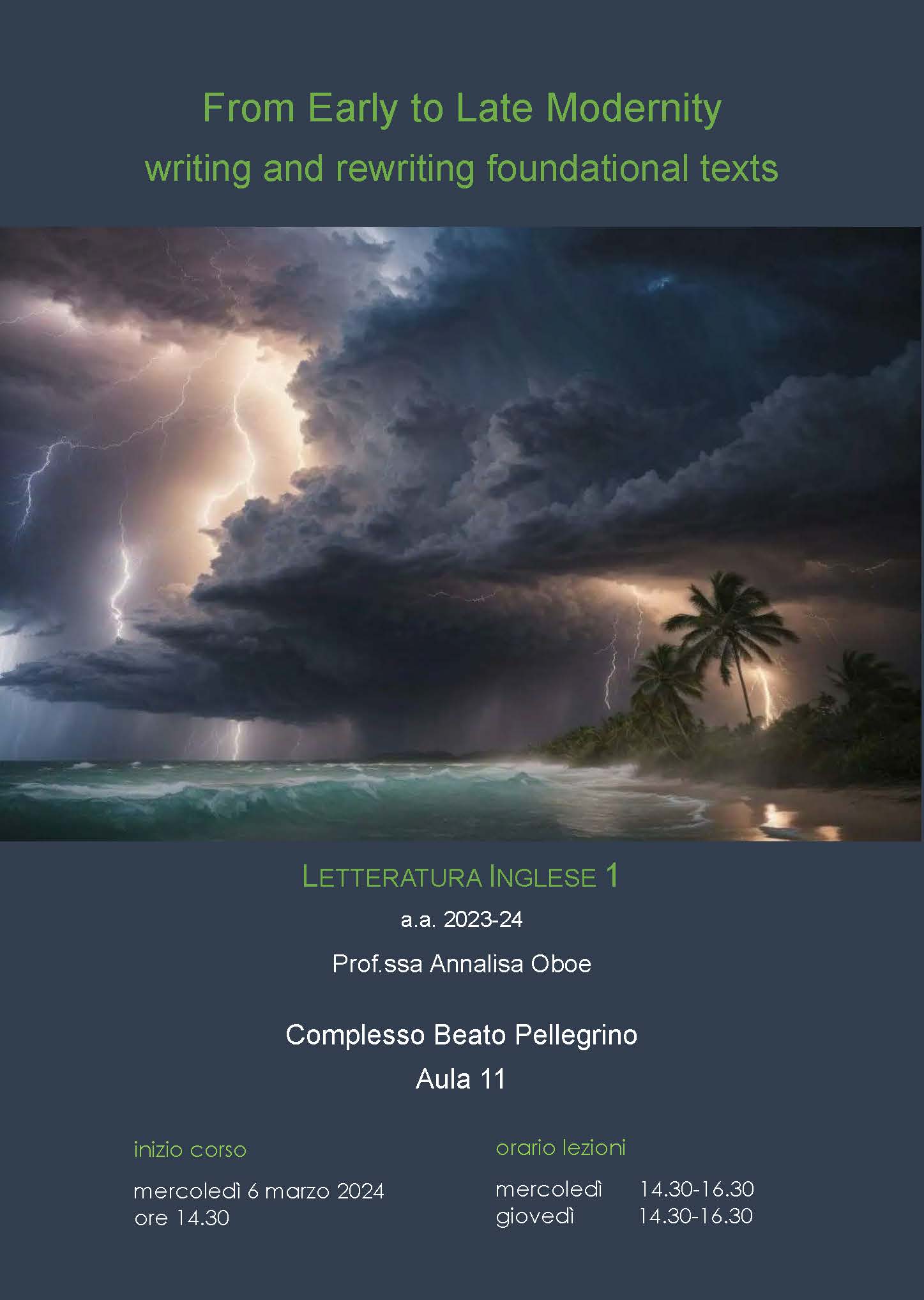

PROF. ALESSANDRA PETRINA
English literary history from the early sixteenth to the first half of the seventeenth century. Analysis of the historical and social context, with a survey of the main authors and literary trends. Elizabethan theatre and its modes. An analysis of a choice of texts from the Henrician, Elizabethan and Jacobean periods.
English literary history from the early sixteenth to the first half of the seventeenth century. Analysis of the historical and social context, with a survey of the main authors and literary trends. Elizabethan theatre and its modes. An analysis of a choice of texts from the Henrician, Elizabethan and Jacobean periods.
- Docente: Alessandra Petrina
Categoria: LINGUE, LETTERATURE E MEDIAZIONE CULTURALE
PROF. MARIA MADDALENA PARLATI
- Docente: Maria Maddalena Parlati
Categoria: LINGUE, LETTERATURE E MEDIAZIONE CULTURALE
PROF. GABRIELE COCCO
- Docente: Gabriele Cocco
PROF. ALESSIA POLATTI
- Docente: Alessia Polatti
PROF. ROBERTA CIMAROSTI
- Docente: Roberta Cimarosti
Categoria: Lingue, letterature e mediazione culturale
PROF. ROBERTA CIMAROSTI
- Docente: Roberta Cimarosti
Categoria: Lingue, letterature e mediazione culturale
PROF. ROBERTA CIMAROSTI
- Docente: Roberta Cimarosti
PROF. ROBERTA CIMAROSTI
- Docente: Roberta Cimarosti
PROF. ROBERTA CIMAROSTI
- Docente: Roberta Cimarosti
Categoria: LINGUE, LETTERATURE E MEDIAZIONE CULTURALE
PROF. ROBERTA CIMAROSTI
- Docente: Roberta Cimarosti
Categoria: LINGUE, LETTERATURE E MEDIAZIONE CULTURALE
PROF. VACLAV LUCIEN PARIS
- Docente: Vaclav Lucien Paris
Categoria: LINGUE, LETTERATURE E MEDIAZIONE CULTURALE
Docente: Prof.ssa Roberta Cimarosti
- Docente: Roberta Cimarosti
Categoria: Mediazione linguistica e culturale
Docente: Prof.ssa Giulia D'Agostini
Categoria: Mediazione linguistica e culturale
Docente: Prof.ssa Giulia D'Agostini
Categoria: Mediazione linguistica e culturale
Docente: Monica Santini
Categoria: Lingue, letterature e culture moderne
Docente: Prof.ssa Alice Equestri
- Docente: Alice Equestri
Categoria: Lingue, letterature e culture moderne
PROF. ROBERTA CIMAROSTI
- Docente: Roberta Cimarosti
Categoria: Lingue, letterature e mediazione culturale
PROF. ROCCO CORONATO
- Docente: Rocco Coronato
PROF. ALESSANDRA PETRINA
- Docente: Alessandra Petrina
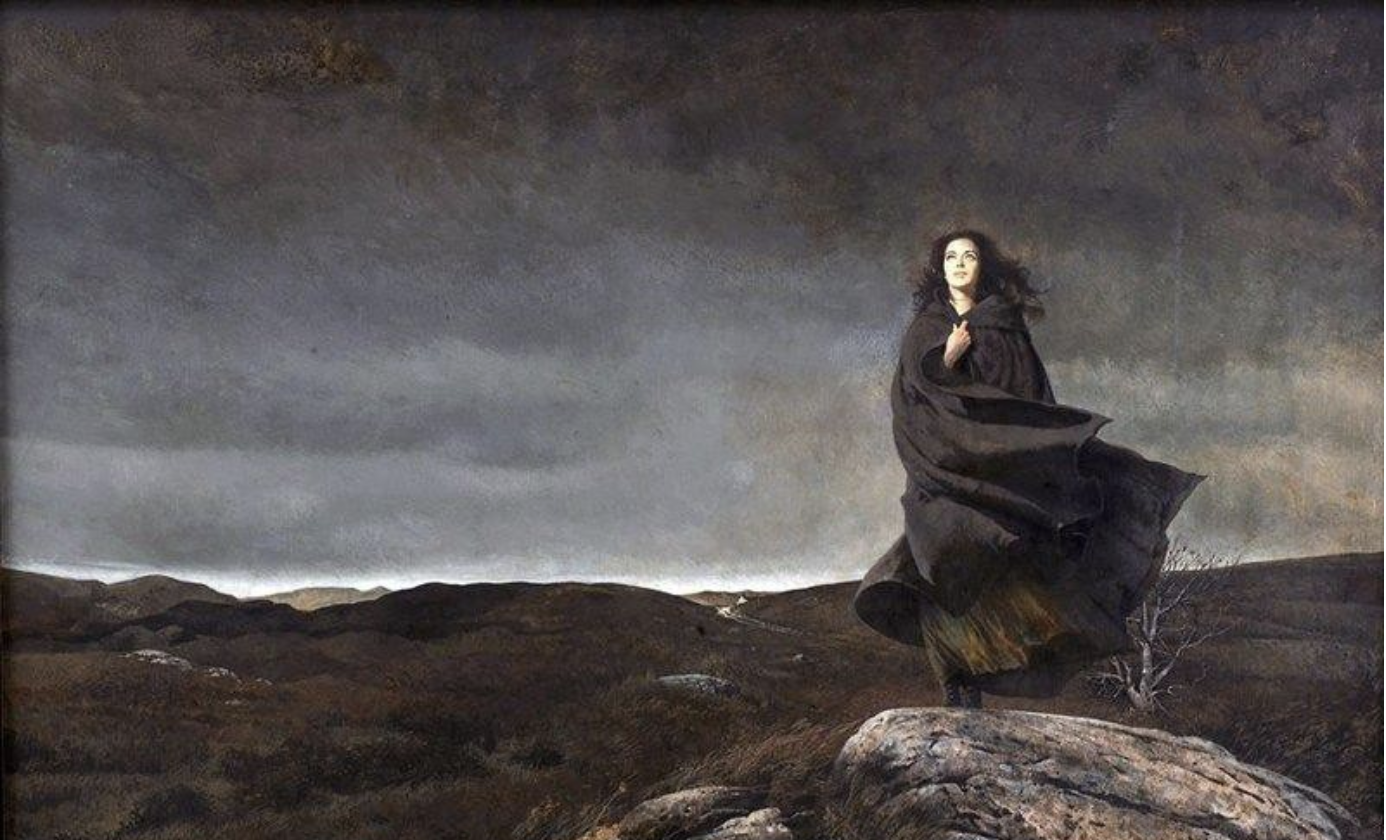
Il tema del corso, intitolato "Travelling Texts in the Environment During a Crazy Pandemic, 17th-19th centuries", è l’emergere fra Sei e Ottocento di opere che vengono concepiti come viaggi e che del viaggio riprendono la dinamica del cambiamento continuo delle forme e delle idee. Si tratta inoltre di testi situati in un ambiente naturale, vero o immaginario, dove i protagonisti si rifugiano in isolamento dalla diffusione pandemica di una malattia del corpo o metaforicamente della psiche, spesso venata di quella follia che mina la nascente visione monolitica e rispettabile dell’Inghilterra di cui offrono decostruzioni geniali.
L’ambiente è spesso visto come il luogo di una pastorale introversa della fuga dalla civiltà urbana, la stessa attraversata dalla peste del 1665 descritta da Defoe (_A Journal of the Plague Year_, 1722) e da cui fugge la protagonista del primo romanzo inglese di fantascienza, _The Blazing World_ (1666) di Margaret Cavendish. Dalla civiltà, più volte abbandonata nei suoi viaggi per il globo, si ritrae schifato il protagonista dei _Gulliver’s Travels_ di Swift (1726), ritiratosi in campagna dopo l’incontro nel suo ultimo viaggio con i saggi ed equini Houyhnhnms. Nell’ambiente sterminato dell’Oriente si situano i viaggi del principe Rasselas di Johnson (1759), malato del morbo di cercare viaggiando una ragione per la sua esistenza che affligge molti personaggi dei racconti filosofici e orientali settecenteschi. Contro le convenzioni temporali e narrative della civiltà settecentesca agisce nella sua country house separata dalla città il Tristram Shandy di Sterne (1759), affetto dalla English malady settecentesca, la malinconia, e intento in un viaggio intrauterino nel secolo degli spostamenti e del Grand Tour. Dalla natura proviene infine l’ispirazione per i ritratti dei reietti e degli outsiders nelle romantiche _Lyrical Ballads_ di Wordsworth e Coleridge (1798), spesso risultato dagli sprazzi estatici conseguenti alla peregrinazioni e vagabondaggi dello spirito romantico. Storie di nomadismo, fisico e mentale, e di trovatelli provenienti da un indistinto Oriente coloniale si svolgono infine nella brughiera dello Yorkshire che offre l’ispirazione tardoromantica e vittoriana per l’amore disperato e quasi soprannaturale fra Cathy e Heatchcliff in _Wuthering Heights_ (1847) di Emily Brontë.
Spaziando fra più periodi e più generi, il corso intende mostrare come questi capolavori, viaggi nell’argomento e nella forma, riprendano gli elementi dell’ambiente in contrapposizione all’ordinato e rispettabile contesto urbano della malata civiltà borghese.
* * *
The theme of the course ("Travelling Texts in the Environment During a Crazy Pandemic, 17th-19th centuries") is the emergence between the 17th and the 18th centuries of masterpieces that in their inception evoke travelling and often draw from travelling the dynamics of a perpetual change of forms and ideas. Furthermore, these texts are often couched in a natural environment, be it real of fictional, where the protagonists take shelter in a sort of lockdown from the pandemic spread of a physical or metaphorically psychological disease, often tinged with the folly that undermines the dawning monolithic, respectable vision of England which they admirably deconstruct.
The environment is thus the site of an introvert pastoral away from urban civilization, the same affected by the 1665 plague described by Defoe (_A Journal of the Plague Year_, 1722) and from which basically also escapes the female protagonist of Margaret Cavendish’s _The Blazing World_ (1666). The protagonist of Swift’s _Gulliver’s Travels_ (1726) eschews civilization first thanks to his many travels round the globe and then finally by secluding himself in the countryside after having met the equine, rational Houyhnhnms. The endless landscape of the Orient sees the profitless travels of Johnson’s Prince Rasselas (1759), plagued by that disease of travelling in search for a reason to live which afflicts many characters of 18th-century philosophical and Oriental tales. Well secluded into his country house, the protagonist of Sterne’s _Tristram Shandy_ (1759) dubiously travels in utero and in his mind during the age of travels and of the Grand Tour. Nature grants inspiration for the portrayal of outcasts and outsiders in Wordsworth’s and Coleridge _Lyrical Ballads_ (1798), often deriving from bouts of Romantic perambulation and roaming. Entwined tales of physical and mental nomadism and of foundlings hailing from the far colonial East take place in the wild moors of Yorkshire that lend late Romantic and Victorian inspiration to the desperate, nearly supernatural love between Cathy and Heatcliff in Emily Brontë’s _Wuthering Heights_ (1847).
Encompassing different periods and genres, the course aims to show how these masterpieces, truly travelling texts in their themes and forms, draw on the environment in opposition to the ordered, respectable urban context of sickening bourgeois civilization.
L’ambiente è spesso visto come il luogo di una pastorale introversa della fuga dalla civiltà urbana, la stessa attraversata dalla peste del 1665 descritta da Defoe (_A Journal of the Plague Year_, 1722) e da cui fugge la protagonista del primo romanzo inglese di fantascienza, _The Blazing World_ (1666) di Margaret Cavendish. Dalla civiltà, più volte abbandonata nei suoi viaggi per il globo, si ritrae schifato il protagonista dei _Gulliver’s Travels_ di Swift (1726), ritiratosi in campagna dopo l’incontro nel suo ultimo viaggio con i saggi ed equini Houyhnhnms. Nell’ambiente sterminato dell’Oriente si situano i viaggi del principe Rasselas di Johnson (1759), malato del morbo di cercare viaggiando una ragione per la sua esistenza che affligge molti personaggi dei racconti filosofici e orientali settecenteschi. Contro le convenzioni temporali e narrative della civiltà settecentesca agisce nella sua country house separata dalla città il Tristram Shandy di Sterne (1759), affetto dalla English malady settecentesca, la malinconia, e intento in un viaggio intrauterino nel secolo degli spostamenti e del Grand Tour. Dalla natura proviene infine l’ispirazione per i ritratti dei reietti e degli outsiders nelle romantiche _Lyrical Ballads_ di Wordsworth e Coleridge (1798), spesso risultato dagli sprazzi estatici conseguenti alla peregrinazioni e vagabondaggi dello spirito romantico. Storie di nomadismo, fisico e mentale, e di trovatelli provenienti da un indistinto Oriente coloniale si svolgono infine nella brughiera dello Yorkshire che offre l’ispirazione tardoromantica e vittoriana per l’amore disperato e quasi soprannaturale fra Cathy e Heatchcliff in _Wuthering Heights_ (1847) di Emily Brontë.
Spaziando fra più periodi e più generi, il corso intende mostrare come questi capolavori, viaggi nell’argomento e nella forma, riprendano gli elementi dell’ambiente in contrapposizione all’ordinato e rispettabile contesto urbano della malata civiltà borghese.
* * *
The theme of the course ("Travelling Texts in the Environment During a Crazy Pandemic, 17th-19th centuries") is the emergence between the 17th and the 18th centuries of masterpieces that in their inception evoke travelling and often draw from travelling the dynamics of a perpetual change of forms and ideas. Furthermore, these texts are often couched in a natural environment, be it real of fictional, where the protagonists take shelter in a sort of lockdown from the pandemic spread of a physical or metaphorically psychological disease, often tinged with the folly that undermines the dawning monolithic, respectable vision of England which they admirably deconstruct.
The environment is thus the site of an introvert pastoral away from urban civilization, the same affected by the 1665 plague described by Defoe (_A Journal of the Plague Year_, 1722) and from which basically also escapes the female protagonist of Margaret Cavendish’s _The Blazing World_ (1666). The protagonist of Swift’s _Gulliver’s Travels_ (1726) eschews civilization first thanks to his many travels round the globe and then finally by secluding himself in the countryside after having met the equine, rational Houyhnhnms. The endless landscape of the Orient sees the profitless travels of Johnson’s Prince Rasselas (1759), plagued by that disease of travelling in search for a reason to live which afflicts many characters of 18th-century philosophical and Oriental tales. Well secluded into his country house, the protagonist of Sterne’s _Tristram Shandy_ (1759) dubiously travels in utero and in his mind during the age of travels and of the Grand Tour. Nature grants inspiration for the portrayal of outcasts and outsiders in Wordsworth’s and Coleridge _Lyrical Ballads_ (1798), often deriving from bouts of Romantic perambulation and roaming. Entwined tales of physical and mental nomadism and of foundlings hailing from the far colonial East take place in the wild moors of Yorkshire that lend late Romantic and Victorian inspiration to the desperate, nearly supernatural love between Cathy and Heatcliff in Emily Brontë’s _Wuthering Heights_ (1847).
Encompassing different periods and genres, the course aims to show how these masterpieces, truly travelling texts in their themes and forms, draw on the environment in opposition to the ordered, respectable urban context of sickening bourgeois civilization.
- Docente: Rocco Coronato
Categoria: LINGUE, LETTERATURE E MEDIAZIONE CULTURALE
PROF. ALESSANDRA PETRINA
- Docente: Vera Cantoni
- Docente: Alessandra Petrina
Categoria: LINGUE, LETTERATURE E MEDIAZIONE CULTURALE
PROF. ALESSANDRA PETRINA
These classes are meant to give students a first training in the main poetic forms present in English literature. Besides, through the reading and analysis of poetic texts of the sixteenth and seventeenth centuries, the classes offer an introduction to Tudor and Stuart literature.
English literary history from the early sixteenth to the first half of the seventeenth century. Analysis of the historical and social context, with a survey of the main authors and literary trends. Early modern poetry and its modes. An analysis of a choice of texts from the Henrician, Elizabethan and Jacobean periods.
These classes are meant to give students a first training in the main poetic forms present in English literature. Besides, through the reading and analysis of poetic texts of the sixteenth and seventeenth centuries, the classes offer an introduction to Tudor and Stuart literature.
English literary history from the early sixteenth to the first half of the seventeenth century. Analysis of the historical and social context, with a survey of the main authors and literary trends. Early modern poetry and its modes. An analysis of a choice of texts from the Henrician, Elizabethan and Jacobean periods.
- Docente: Alessandra Petrina
Categoria: LINGUE, LETTERATURE E MEDIAZIONE CULTURALE
The course is entitled “Drain You. Otherness and Alienation in 20th century English Literature”. It focuses on depictions of subjectivity in relation to the Other and alienation in some key works of English literature spanning the period between the two world wars. Starting with Modernist landmarks, both in poetry (selections from Eliot, Yeats, Auden) and in fiction (J. Joyce, "The Dead"; V. Woolf, "Mrs Dalloway"), the course then explores alienation and threat in dystopia (G. Orwell, "1984"), before moving on to the bleak urban alienation seen from a woman's perspective (J. Rhys, "Good Morning, Midnight"), and subsequently to the macabre irony of M. Spark ("Memento Mori") and the stark dissection by G. Greene ("Brighton Rock"). The course concludes with a look at the post-war period, featuring poetic selections from P. Larkin and "Waiting for Godot" by S. Beckett.
Works:
T. Eliot, W.B. Yeats, W.H. Auden (selections)
J. Joyce, “The Dead”
V. Woolf, _Mrs Dalloway_
G. Orwell, _1984_
J. Rhys, _Good Morning, Midnight_
M. Spark, _Memento Mori_
G. Greene,_Brighton Rock_
P. Larkin (selections)
S. Beckett, _Waiting for Godot_
Works:
T. Eliot, W.B. Yeats, W.H. Auden (selections)
J. Joyce, “The Dead”
V. Woolf, _Mrs Dalloway_
G. Orwell, _1984_
J. Rhys, _Good Morning, Midnight_
M. Spark, _Memento Mori_
G. Greene,_Brighton Rock_
P. Larkin (selections)
S. Beckett, _Waiting for Godot_
- Docente: Rocco Coronato
Categoria: LINGUE, LETTERATURE E MEDIAZIONE CULTURALE
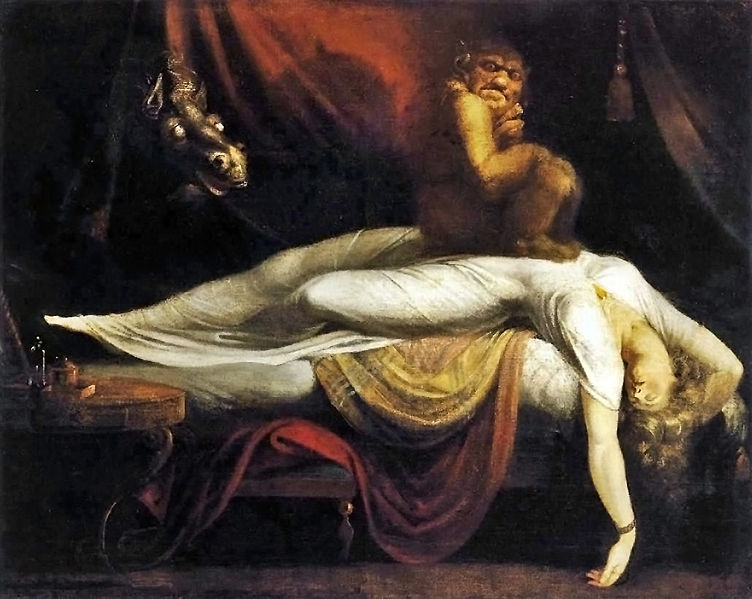
PROF. ANNALISA OBOE
Course title: “Gothic Afterlives.”
It examines how the Gothic, a key genre in British literature of the late 18th century, persists and evolves through the 19th century. We will consider how Gothic elements haunt the century’s major literary movements, including Romanticism, Victorian realism, and Decadence.
We will read four novels in full, considering both form and content, and placing each text in its historical, social, and literary context. These texts will also be compared with one another to trace the changing expressions of the Gothic throughout the century.
Course title: “Gothic Afterlives.”
It examines how the Gothic, a key genre in British literature of the late 18th century, persists and evolves through the 19th century. We will consider how Gothic elements haunt the century’s major literary movements, including Romanticism, Victorian realism, and Decadence.
We will read four novels in full, considering both form and content, and placing each text in its historical, social, and literary context. These texts will also be compared with one another to trace the changing expressions of the Gothic throughout the century.
- Docente: Annalisa Oboe
Categoria: LINGUE, LETTERATURE E MEDIAZIONE CULTURALE
PROF. Maria Maddalena Parlati
- Docente: Maria Maddalena Parlati
Categoria: Lingue, letterature e mediazione culturale
PROF. ROBERTA CIMAROSTI
- Docente: Roberta Cimarosti
PROF. ROBERTA CIMAROSTI
- Docente: Roberta Cimarosti
PROF. ROBERTA CIMAROSTI
- Docente: Roberta Cimarosti
Categoria: LINGUE, LETTERATURE E MEDIAZIONE CULTURALE

PROF. MARIA MADDALENA PARLATI
- Docente: Maria Maddalena Parlati
Categoria: LINGUE, LETTERATURE E MEDIAZIONE CULTURALE
PROF. MARILENA PARLATI
- Docente: Maria Maddalena Parlati
Categoria: LINGUE, LETTERATURE E MEDIAZIONE CULTURALE
PROF. VACLAV LUCIEN PARIS
- Docente: Vaclav Lucien Paris
Categoria: LINGUE, LETTERATURE E MEDIAZIONE CULTURALE
Docente: Prof.ssa Roberta Cimarosti
- Docente: Roberta Cimarosti
Categoria: Mediazione linguistica e culturale
Docente: Alessandra Petrina
- Docente: Alessandra Petrina
Categoria: Lingue, letterature e culture moderne
Docente: Alessandra Petrina
- Docente: Alessandra Petrina
Categoria: Lingue, letterature e culture moderne
Docente: Prof.ssa Alessandra Petrina
- Docente: Alessandra Petrina
Categoria: Lingue, letterature e culture moderne
PROF. VALENTINA ADAMI
Categoria: Filosofia
PROF. MARIO MELCHIONDA
Categoria: Filosofia
PROF. GABRIELE COCCO
Categoria: FILOSOFIA
PROF. PAOLO BUGLIANI
Categoria: LETTERE
PROF. STEFANO ROSSI
Categoria: ITALIAN MEDIEVAL AND RENAISSANCE STUDIES
PROF. VACLAV LUCIEN PARIS
- Docente: Vaclav Lucien Paris
Categoria: ITALIAN MEDIEVAL AND RENAISSANCE STUDIES